mobile banner imagedesktop banner image

About LORBRENA® (lorlatinib​)

medicine icon

What is LORBRENA?

LORBRENA is a once-daily oral prescription medicine (that can be taken with or without food) for adults with anaplastic lymphoma kinase–positive (ALK+) non–small cell lung cancer (NSCLC) that has spread to other parts of the body (metastatic).

How LORBRENA works

LORBRENA is designed to target cancer cells with changes in the ALK gene. It is a type of therapy known as an ALK inhibitor. By blocking or “inhibiting” ALK, LORBRENA helps slow or stop the growth of mNSCLC, including in the brain.

brain icon

How LORBRENA works in the brain

The brain is one of the most common places where ALK+ mNSCLC can spread. LORBRENA was specifically designed to cross the blood-brain barrierinfo-iconblood-brain barrierThe blood-brain barrier is a network of blood vessels and tissue that protects the brain from harmful substances like bacteria. Treating cancer that has spread to the brain can be difficult because medicines must be able to cross this barrier. and has been shown to help shrink ALK+ NSCLC tumors that have spread to the brain.

brain icon

How LORBRENA works in the brain

The brain is one of the most common places where ALK+ mNSCLC can spread. LORBRENA was specifically designed to cross the blood-brain barrierinfo-iconblood-brain barrierThe blood-brain barrier is a network of blood vessels and tissue that protects the brain from harmful substances like bacteria. Treating cancer that has spread to the brain can be difficult because medicines must be able to cross this barrier. and has been shown to help shrink ALK+ NSCLC tumors that have spread to the brain.

Grace, patient taking LORBRENA

Patient was compensated for her time.

quotes

My doctor told me LORBRENA was a first-line treatment that was different than chemotherapy and radiation . . . . [We] continued to discuss treatment options, and we decided to give LORBRENA a try.

–Grace, patient taking LORBRENA

Clinical trial results

Living longer without your ALK+ NSCLC further growing or spreading may be possible with LORBRENA (compared to crizotinib).

LORBRENA clinical trial in newly diagnosed patients

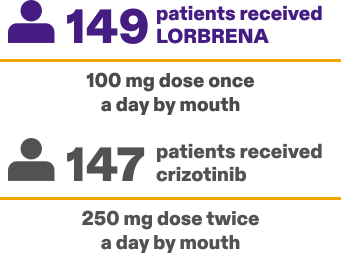
LORBRENA is being studied in a clinical trial for people newly diagnosed with ALK+ mNSCLC. In the study, 296 patients were randomly split into 2 groups and given either LORBRENA or crizotinib. Crizotinib is a different medicine for ALK+ NSCLC.

graph-imggraph-img
  • At enrollment, all patients were newly diagnosed with ALK+ mNSCLC and had not received any previous treatment for mNSCLC
  • The study included patients with and without cancer that had spread to their brain

Progression-free survival

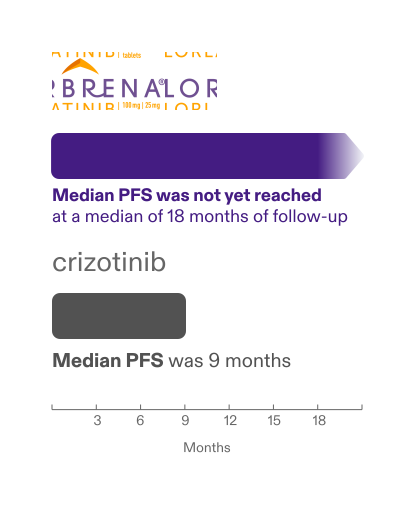
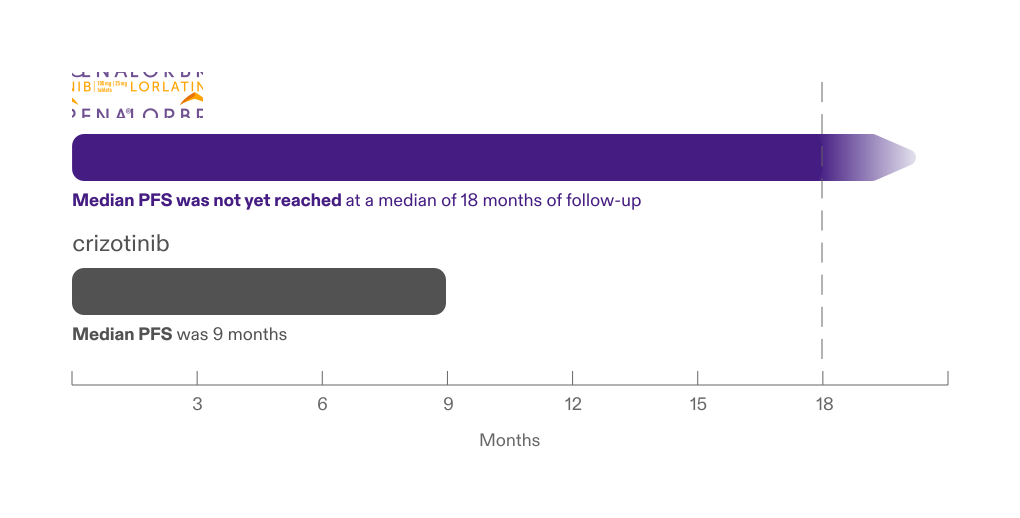
The main goal of the trial is to measure progression-free survival (PFS), which is how long patients live without their tumors growing or spreading (“progressing”). Medianinfo-iconmedianThe median is the middle value in a set of numbers. progression-free survival (median PFS) is a measurement taken when half of the patients still taking LORBRENA have had their tumors grow or spread.

The study was designed to measure median PFS at 18 months, but at that point, more than half of the patients on LORBRENA still had not experienced any tumor growth. Patients taking crizotinib experienced cancer progression at a median of 9 months.

graph-imggraph-imggraph-imggraph-img

LORBRENA was approved for newly diagnosed patients based on the results of the study at 18 months. Because the median PFS had not been reached (more than half of the patients on LORBRENA had not yet experienced tumor growth or spread), patients in the study are still being monitored, and more information is being collected.

Another goal of the study is to measure overall survival, which is the total time patients live from the start of treatment. Data are still being collected, so more time is needed to find out if patients taking LORBRENA live longer than patients taking crizotinib.

How tumors responded to treatment

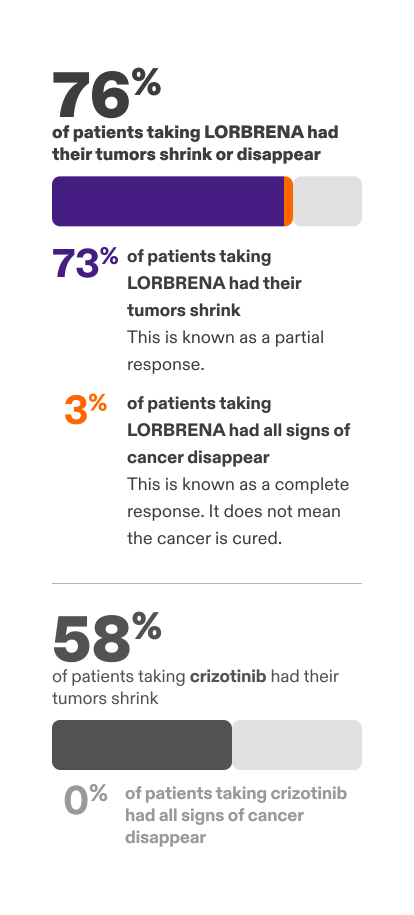
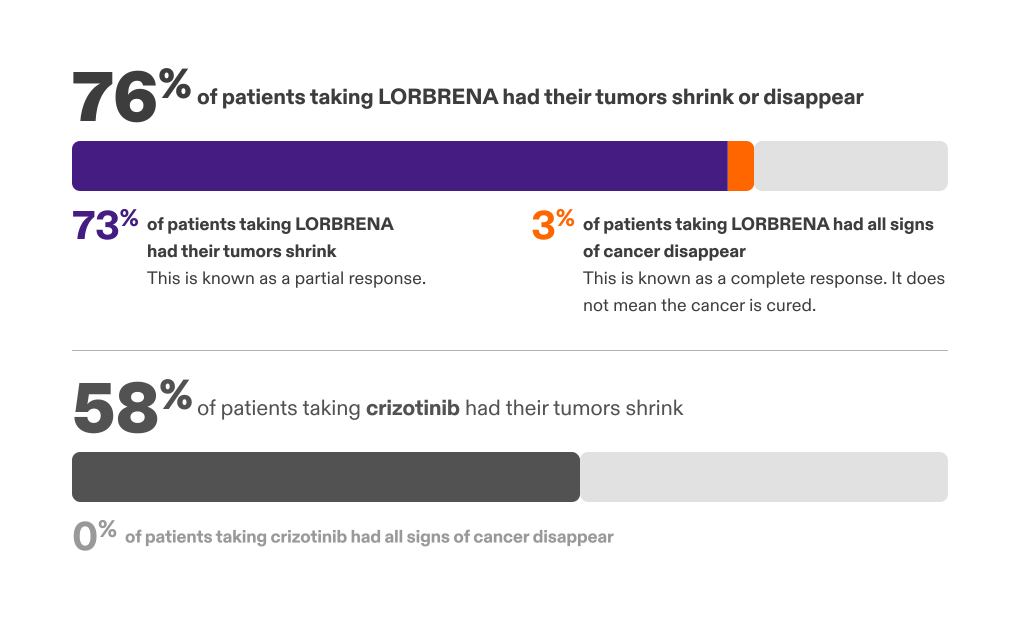
The analysis at a median of 18 months of follow-up also measured overall response rate, which is tumor response to treatment, including tumor shrinkage and disappearance throughout the body, including the brain.

graph-imggraph-img

These responses lasted 12 months or longer in 70% of patients taking LORBRENA and 27% of patients taking crizotinib.

Results in patients with brain tumors

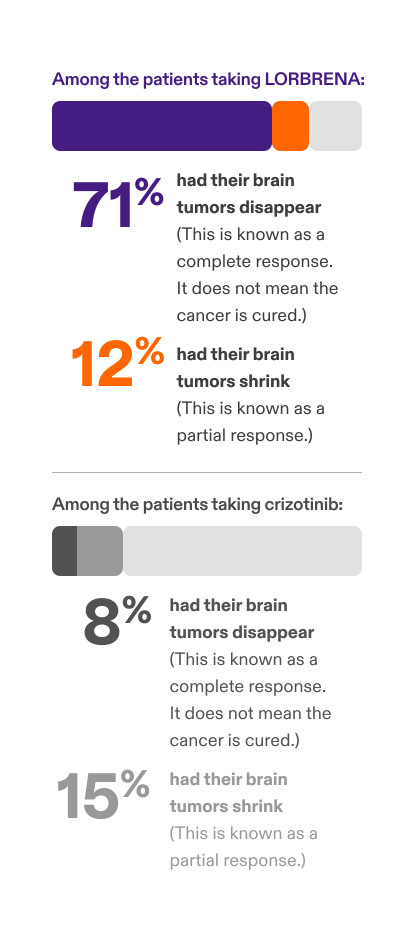
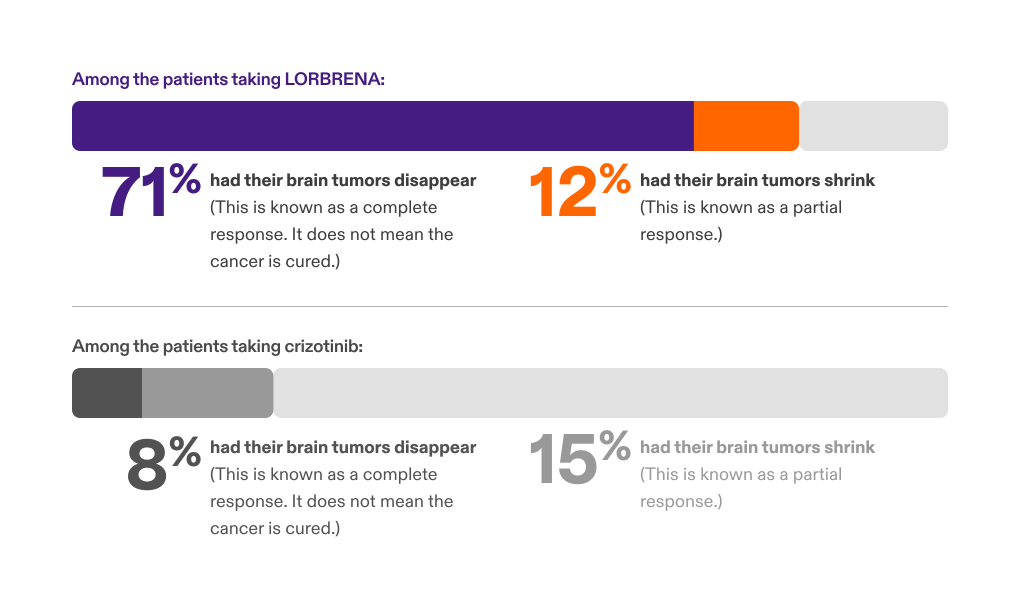
At the start of the study, 30 patients had brain tumors that could be seen and measured. Of those patients, 17 were treated with LORBRENA and 13 were treated with crizotinib.

graph-imggraph-img

These responses lasted 12 months or longer in 79% of patients taking LORBRENA and 0% of patients taking crizotinib.

7-year follow-up analysis

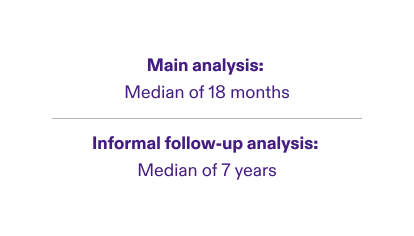
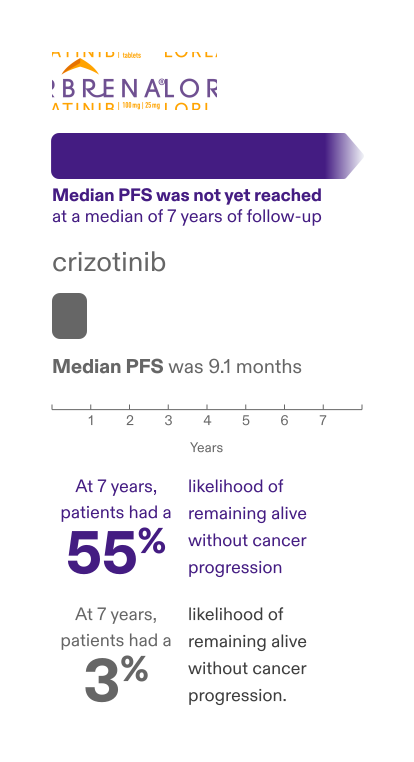
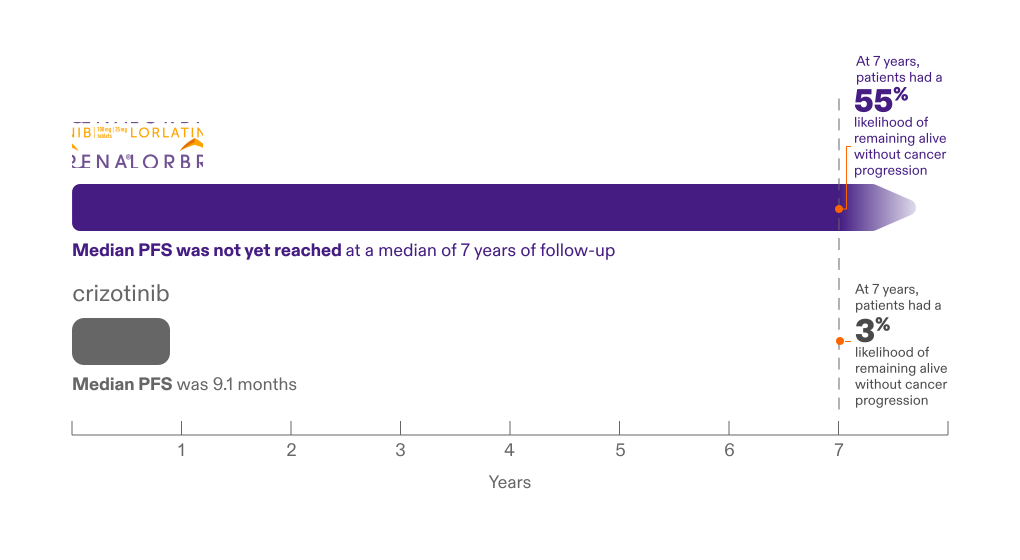
The patients in the clinical trial are still being monitored, and data are being collected and evaluated. A follow-up analysis was done at a medianinfo-iconmedianThe median is the middle value in a set of numbers. of 7 years, once more data were available.

graph-imggraph-img

The informal analysis was not designed to find specific differences between LORBRENA and crizotinib. Unlike the main analysis, the data did not undergo an additional independent review, and it was not used to support the FDA approval of LORBRENA. The scientists, medical professionals, and investigators assessed the informal analysis at 7 years of follow-up data. The following were observed:

graph-imggraph-img

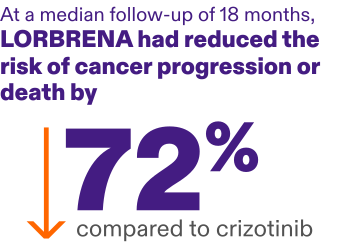
At a median follow-up of 7 years, LORBRENA had reduced the risk of tumor growth by 81% compared to crizotinib.

No new safety concerns were detected in the follow-up analysis. The side effects experienced by patients in the main analysis were similar to those experienced in the follow-up analysis at a median of 7 years.

Click for information on potential side effects

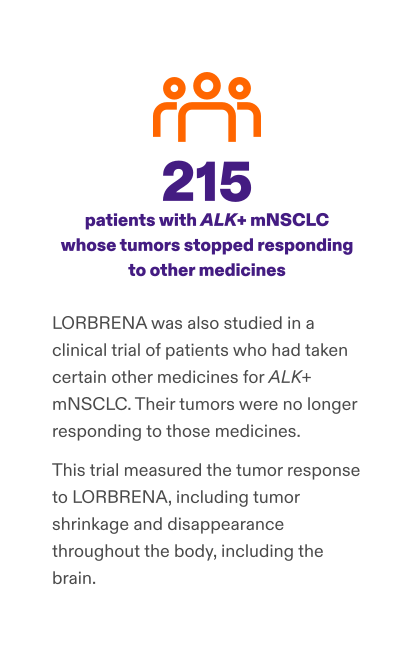
LORBRENA clinical trial in previously treated patients

graph-imggraph-img

Results in all patients

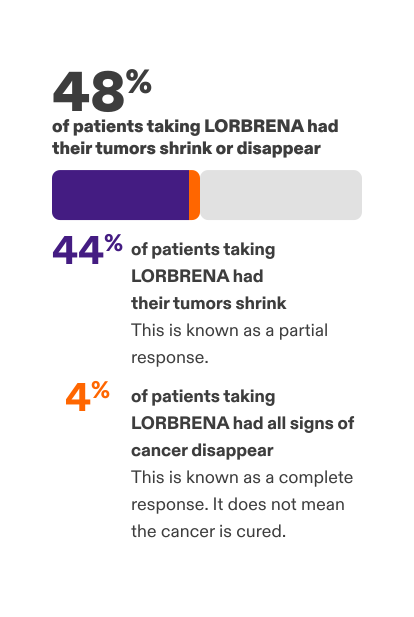
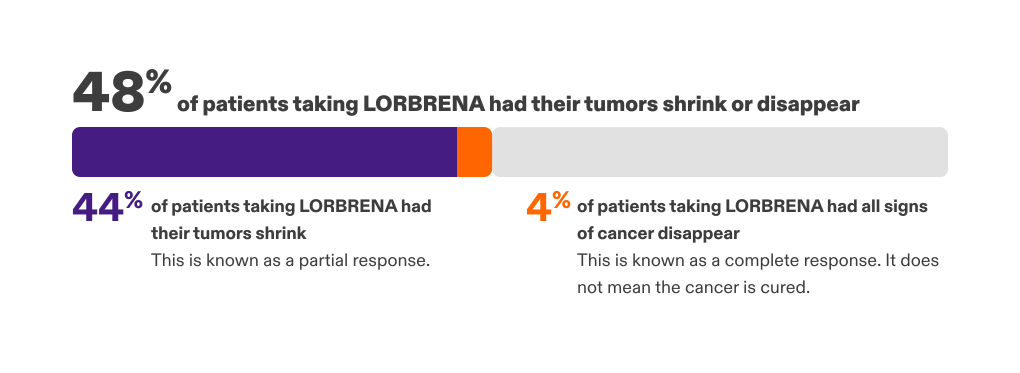
In this trial, the overall response rateinfo-iconoverall response rateOverall response rate measures tumor response to treatment, including tumor shrinkage and disappearance throughout the body, including the brain. was measured, and nearly half of patients had their tumors shrink or disappear with LORBRENA.

graph-imggraph-img

These responses lasted for a medianinfo-iconmedianThe median is the middle value in a set of numbers. of 13 months.

Results in patients with brain tumors

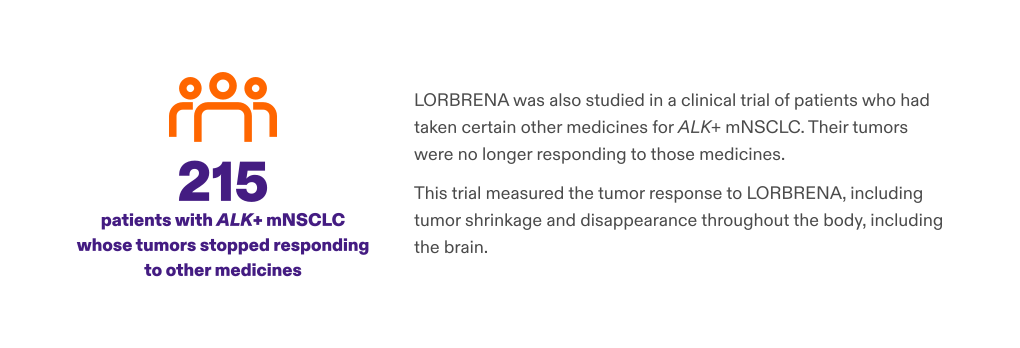
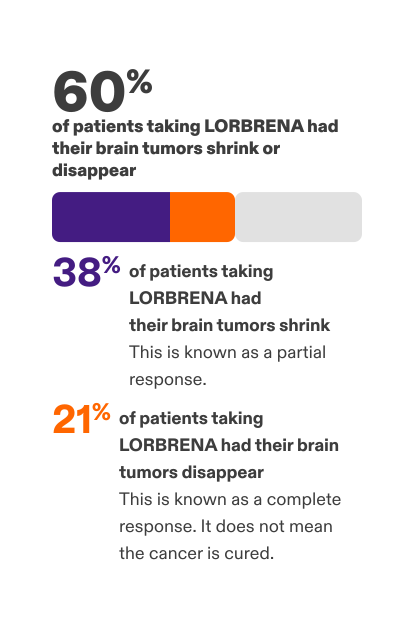
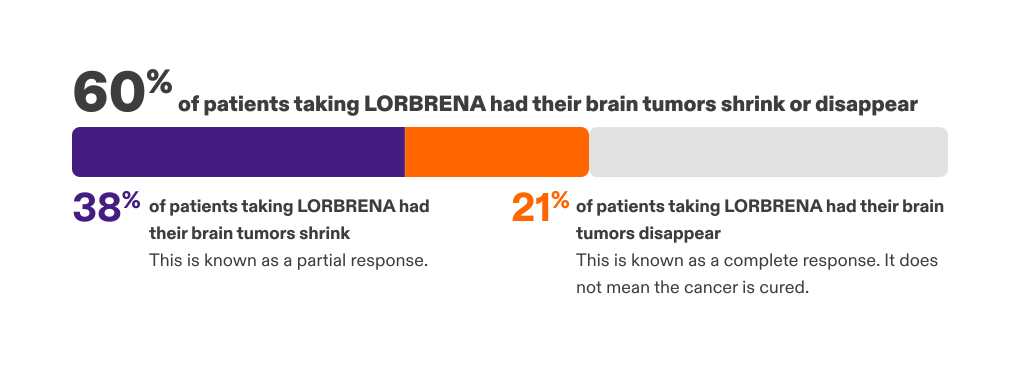
A smaller group of 89 patients had measurable brain tumors* that were no longer responding to certain other medicines for ALK+ NSCLC.

graph-imggraph-img

These responses lasted for a medianinfo-iconmedianThe median is the middle value in a set of numbers. of 20 months.

*Of the 215 patients in the trial, 148 (69%) had brain tumors at the start of treatment. Eighty-nine of the 148 patients had brain tumors that could be measured.

Considering LORBRENA?

It’s important to feel confident in your treatment decisions. Download the Conversation Guide and talk with your doctor about whether LORBRENA could be right for you. Bring it to your appointments to take notes on what you discuss.

Learn more about treatment with LORBRENA

What to expect

Get resources to support your treatment with LORBRENA

Sign up
pot logo

Turn to Pfizer Oncology Together for financial assistance resources and personalized support.

caller icon

Call 1-877-744-5675
(Monday–Friday 8 AM–8 PM ET)

Visit PfizerOncologyTogether.com

Important Safety Information

LORBRENA can cause serious side effects, including:

  • Liver problems due to interactions with other medicines. Liver problems can be severe. It is important to know what medicines not to take during treatment with LORBRENA.
  • Central nervous system (CNS) effects. CNS effects can be severe. Tell your healthcare provider if you get any new or worsening symptoms of CNS effects, including: problems with thinking, such as forgetfulness or confusion, changes in mood, such as depression and thoughts about suicide or dying, psychotic effects, such as seeing or hearing things that are not real (hallucinations), seizures, changes in speech, and changes in sleep.
  • Increases in the cholesterol and triglycerides (lipid) levels in your blood. Most people will get an increase in the lipid levels in their blood during treatment with LORBRENA.
    • If you get increases in the lipid levels in your blood, your healthcare provider may start you on a new medicine or increase your dose if you are already taking a medicine to lower the lipid levels in your blood.
    • Your healthcare provider will do blood tests to check the lipid levels in your blood before starting treatment, 1 and 2 months after starting treatment, and during treatment with LORBRENA.
  • Heart problems. LORBRENA can cause very slow or abnormal heartbeats. Your healthcare provider will check your heart rhythm (electrocardiogram or EKG) before starting and during treatment with LORBRENA. In some people, these problems are severe, and you may need to get a pacemaker. Tell your healthcare provider right away if you feel dizzy or faint or have abnormal heartbeats.
  • Lung problems. LORBRENA can cause severe or life-threatening swelling (inflammation) of the lungs during treatment that can lead to death. Symptoms may be like those from lung cancer. Tell your healthcare provider right away if you get any new or worsening symptoms of lung problems, including trouble breathing, shortness of breath, cough, or fever.
  • High blood pressure (hypertension). Your healthcare provider will check your blood pressure before starting treatment, 2 weeks after starting treatment, and then at least every month during treatment with LORBRENA. Your healthcare provider may start or change your blood pressure medicine if you get high blood pressure. Tell your healthcare provider right away if you get signs or symptoms of high blood pressure, including headaches, dizziness, blurred vision, chest pain, or shortness of breath.
  • High blood sugar (hyperglycemia). LORBRENA can cause new or worsening increases in your blood sugar levels. Your healthcare provider will do blood tests to check your blood sugar levels before starting and during treatment with LORBRENA. Your healthcare provider may start or change your blood sugar medicine if you get high blood sugar. Tell your healthcare provider right away if you get any signs and symptoms of high blood sugar, including: feeling very thirsty, needing to urinate more than usual, feeling very hungry, feeling sick to your stomach, feeling weak or tired, and feeling confused.

If you get serious side effects during treatment, your healthcare provider may change your dose, temporarily stop, or permanently stop treatment with LORBRENA.

Before taking LORBRENA, tell your healthcare provider about all of your medical conditions, including if you:

  • have kidney problems
  • have liver problems
  • have had episodes of depression or seizures
  • have high levels of cholesterol or triglycerides in your blood
  • have problems with your heartbeat
  • have lung or breathing problems
  • have high blood pressure
  • have diabetes or high blood sugar
  • are pregnant or plan to become pregnant. LORBRENA can harm your unborn baby.
  • Females who are able to become pregnant:
    • Your healthcare provider will do a pregnancy test before you start treatment with LORBRENA.
    • Tell your healthcare provider right away if you become pregnant or think you may be pregnant during treatment with LORBRENA.
    • Use effective non-hormonal birth control during treatment and for at least 6 months after the final dose of LORBRENA.
    • Birth control pills (oral contraceptives) and other hormonal forms of birth control may not be effective if used during treatment with LORBRENA. Talk to your healthcare provider about birth control choices that are right for you during this time.
  • Males with female partners who are able to become pregnant:
    • Use effective birth control during treatment and for at least 3 months after the final dose of LORBRENA.
  • are breastfeeding or plan to breastfeed. It is not known if LORBRENA passes into your breast milk. Do not breastfeed during treatment and for 7 days after the final dose of LORBRENA. Talk to your healthcare provider about the best way to feed your baby during this time.

Tell your healthcare provider about all the medicines you take, including prescription medicines, over-the-counter medicines, vitamins, and herbal supplements. Taking LORBRENA with certain other medicines may increase your risk of side effects and may affect the way LORBRENA or the other medicines work.

Know the medicines you take. Keep a list of them to show to your healthcare provider and pharmacist when you get a new medicine.

Do not take LORBRENA if you take certain other medicines called strong CYP3A inducers. Ask your healthcare provider for a list of these medicines if you are not sure.

The most common side effects of LORBRENA include:

  • swelling in your arms, legs, hands, and feet (edema)
  • numbness and tingling feeling in your joints or arms and legs (peripheral neuropathy)
  • weight gain
  • problems with thinking, such as forgetfulness or confusion
  • tiredness (fatigue)
  • difficulty breathing
  • pain in your joints
  • diarrhea
  • changes in mood, such as depression and irritability
  • increased cholesterol and triglyceride levels in the blood
  • cough

LORBRENA may cause decreased fertility in males, which may affect your ability to have children. Talk to your healthcare provider if you have concerns about fertility.

These are not all of the possible side effects of LORBRENA.

Call your doctor for medical advice about side effects. You may report side effects to the FDA at 1-800-FDA-1088.

What is LORBRENA?

Indication

LORBRENA is a prescription medicine that is used to treat adults with non-small cell lung cancer (NSCLC) that is caused by an abnormal anaplastic lymphoma kinase (ALK) gene, and that has spread to other parts of your body (metastatic).

Your healthcare provider will perform a test to make sure that LORBRENA is right for you.

It is not known if LORBRENA is safe and effective in children.

Please see Full Prescribing Information and Patient Information.

© 2026 Pfizer Inc.  All rights reserved.

The product information provided in this site is intended for residents of the United States. The products discussed herein may have different product labeling in different countries.

The health information contained herein is provided for educational purposes only and is not intended to replace discussions with a healthcare provider. All decisions regarding patient care must be made with a healthcare provider, considering the unique characteristics of the patient.

Pfizer, PO Box 29387, Mission, KS 66201.

Last Updated: April 2026  PP-LOR-USA-1068

LORBRENA ® is a registered trademark of Pfizer Inc.